where the interior life meets the open range
the misfit west explores the vast psychological and emotional terrain of the American West, the wind-scoured places, the unspoken histories, the inheritances we carry even when we think we’ve outrun them.
These are personal essays for anyone who has ever felt out of place, out of step, or out of answers and keeps walking toward a version of themselves that feels truer than the myth.
About the Publication
Out here, the landscape works on you. It rearranges what you think you know about loneliness, lineage, addiction, survival, love, and whatever we mean when we say “home.”
In these essays, I investigate the quiet dramas that unfold beneath the surface. g
Grief that breaks open years later, family patterns that echo across generations, the strange physics of staying alive, and the ways a person tries to build a life with both hands full of questions.
This is not the West of postcards or cowboy clichés. It’s the one made of frostbite, memory, estrangement, reclamation, and unexpected beauty. A place where an interior life can finally stretch its legs.
What You’ll Find Here
- Lyrical, place-driven personal essays rooted in Wyoming, Colorado, and the high plains
- Psychological explorations of family systems, trauma, resilience, and the unquiet mind
- Memoir fragments stitched with research, memory, and sharp self-interrogation
- A voice for those who don’t fit the mythic West or any myth at all
Why the misfit west
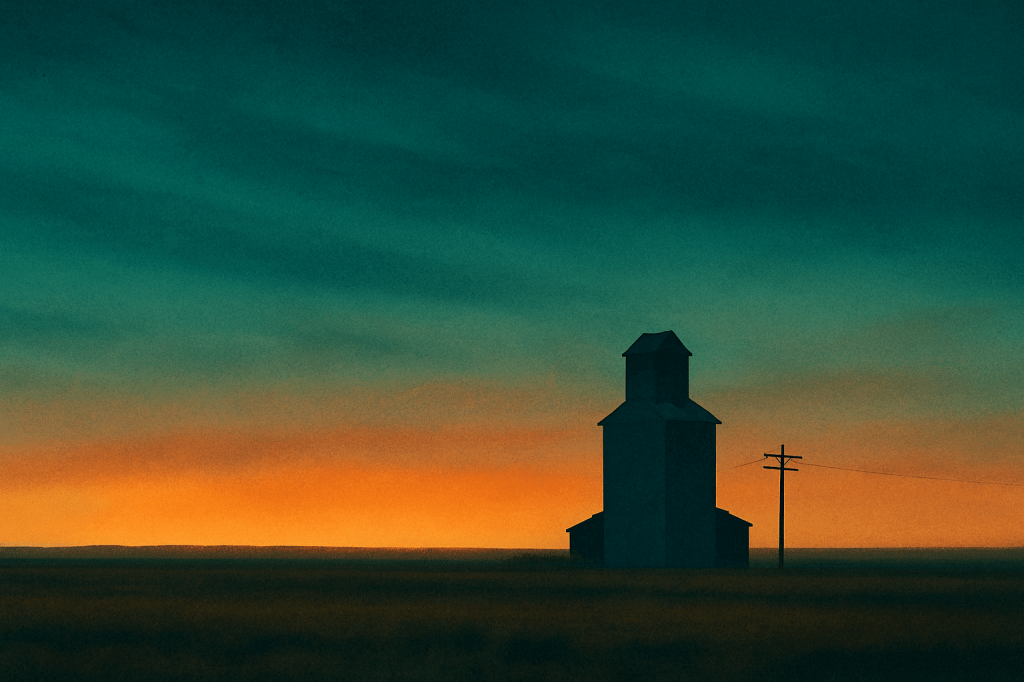
Because some of us were raised in the shadows of silos, railroads, coal pits, and quiet living room catastrophes and still found ways to become ourselves.
Because belonging is complicated.
Because the West is too. And because writing it down is sometimes the only way to tell the truth.
LATEST POSTS
-
nag champa
“Look at this hippy. Hey hippy, you fucking stink.” I grab my bottle of Nag Champa, which has come open and leaked all over the couch, and wonder how this happened, because I figure most people find the scent pleasant. I do. I have been carrying it around all fall for exactly that reason. It…
-
as for me and my house
The Oriental Trading catalog comes in the mail with Dad’s stack of Wall Street Journals and by the next morning it’s on the back of the toilet, pages curling from the shower. Temu before Temu. Everything in it comes in bulk. Twenty-four plastic leis for five ninety-nine, a gross of rubber frogs, grass table skirts…
-
dogs stay free
Folks don’t check the emergency contact line. A name and a number go in the box and the box goes in a file and everyone involved agrees that this means somebody comes. The man on mine does not know my middle name. He does not know what month I was born. If I died in…
-
one for sorrow
When I was younger, I used to keep a running list of questions in my head that I wanted to ask God. I think my parents had started that trend: if I asked something one of them couldn’t answer, they would direct me to God. Pretty sneaky on their part, because then I had to…
-
register of actions
There’s a website in Colorado where you can buy your family a piece at a time. CoCourts, it’s called. You make a login. I made mine at some hour I’m not proud of, picked a username I won’t repeat here, and put money on the account like it was a vending machine. Fourteen dollars and…
-
a mother’s love
I have been called nothing less of a hot mess for a few years now and I have been treading water. it’s a mental swishing back and forth through thoughts made of murky, cold water. The one who dislikes me most though is probably my mother. I have had the job or sorting through my…

