Blog

  • drop your weapon

    A client says she feels empty, and before she gets to the end of the sentence the manual is open in my head. I used to carry the real one into the room and flip to the page with her sitting right there. Now I follow the story closely, sorting what is cultural from what is pathological, and the words from the diagnosis start to pop up on their own. “He was the best thing to ever happen to me.” “The world is a dangerous place.” I know that page because someone once turned to it for me.

    Listening, I walk through the rooms of a client’s life. The suicide of a friend. An estrangement. Divorce. Children who won’t get off their phones and children who won’t get on the phone. Sometimes a cue in somebody else’s room sends me wandering through my own, and I come back to the face in front of me wondering how long I have been gone and whether I’ve caused a rupture. The client keeps talking. I return to the safety of a diagnosis, where everything has a name. Mine has one too. Somewhere between the second counselor and the fifth, someone wrote antisocial personality disorder in my file, and I have been trying to figure out who ever since.

    During my first stint in treatment there was in-fighting among the drug court admin, so we were tossed around five different providers. Some contracted. One guy would ride his bike around, the light brown of his khakis wrapped with a leg band to keep his fancy pants from his bike chain. He was smug and defensive and he didn’t last but a few weeks. We called him Ed 209, after the hulking droid in RoboCop that heard “drop your weapon,” watched the man do it, and shot him anyway. Ed 209, the enforcer, shot his own damn self in the foot and was gone as quick as the rest of them.

    Then there was the woman we called “Debbie Does Counseling,” who had us doing arts and crafts in a downtown building, completely unaware that half the participants were huffing air duster at break. Slurred words and rocking chairs falling all the way back; it wasn’t much of a difference from their normal behavior, so I might not have noticed either. She directed us to make masks with two sides: what we show the world and what we hide. Well, Debbie, forgive us if we can’t really get into an exercise that mocks the fact we can’t piss without it being tested. We can’t hide from the world.

    Then there was Michelle, just another counselor in the rotation, who built every group around her handful of favorites. And then Theresa, the ex-wife of the drug court judge, who would cross her legs in a provocative way during group therapy, my brain racing back to Sharon Stone in Basic Instinct. Sharon, playing Catherine, who famously makes the detectives sweat, in a scene on millions of VHS tapes being rewound, paused, rewound to get a shot of Sharon snatch. The flirtations confused me, and so did the boys denying they’d been huffing, one making me guess if I saw what I saw and the other if I smelled what I smelled. The whole thing was disorienting as hell and probably on purpose.

    I can’t be sure which one of them gave me the scarlet diagnosis, but it still bothers me. It came after I called Debbie fat (I said the pants don’t make her look fat, the fat makes her look fat, and BAM, new counselor again), told Michelle her groups were agonizing, made comments about Michelle’s face melting off, and called the drug court assistant “Troll” in passing, so I understand why the team wanted to label me. The difference was Theresa could close her legs, Debbie could get some confidence, Michelle could back off her favorites, and the Troll could have been nice. But none of them were court ordered to do so.

    Antisocial personality disorder, allegedly, and a plea to the court to reinstate my underlying sentence, which was still a misdemeanor. Only by the skin of my yellow county teeth, because as I moved through the phases of drug court the law stretched its lookback from five years to ten, which put all three of my DUIs in one frame, and the push for my prison sentence became more real. You can’t breathe wrong in drug court, much less antagonize every last provider, because at some point it does start to read like anti-something, and if anything, anti-women.

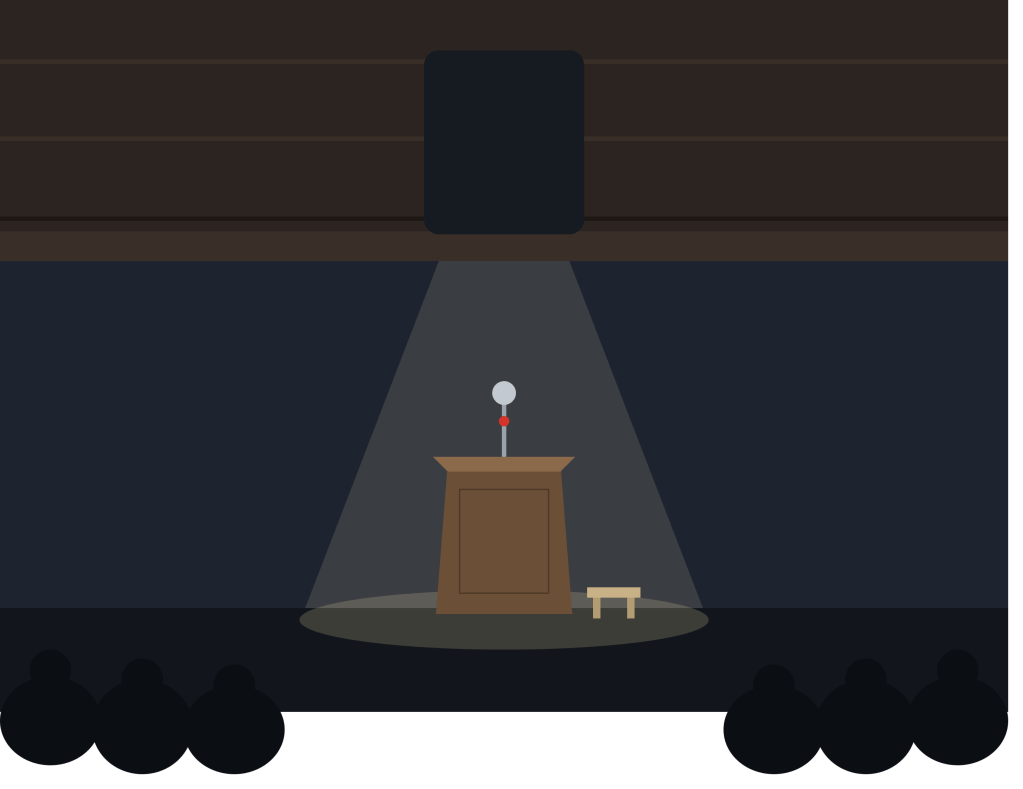
    So I apologized in court. I stood at the podium with a room full of men taking sick pleasure in it, the judge yelling at me and no one else, and what I felt was shame and embarrassment. I said I was sorry the way an overgrown five-year-old apologizes for a mess she doesn’t even remember, because sorry was what kept me out of jail. I did whatever penance was assigned to me that week, and then magically the personality disorder melted away, which a personality disorder is not supposed to do, since the manual calls it an enduring pattern, and I graduated from drug court less than a year later with my uncle as witness.

    The DSM wants three of seven before it will consider the diagnosis. One, a failure to conform to lawful behavior, shown by repeatedly doing things that are grounds for arrest. Two, deceitfulness, the lying and aliases and conning for profit or pleasure. Three, impulsivity or failure to plan ahead. Four, irritability and aggression, the repeated fights. Five, reckless disregard for the safety of self or others. Six, consistent irresponsibility, a person who can’t sustain work or honor a debt. Seven, lack of remorse, an indifference to or rationalizing of having hurt, mistreated, or stolen from someone. A clinician reads that list the way I read a client’s life, one door at a time, checking what is behind each.

    I can see how a team might count three. I kept failing my UAs, I lied about them so I wouldn’t spend the weekend in jail, and I enrolled in the spring semester and used meth anyway, which reads as impulsivity on paper. But I have been behind those doors. A failed UA is substance use disorder at its finest, and the lying lasted exactly as long as the testing did. The manual also wants signs of conduct disorder before the age of fifteen, and nobody ever told me I had it. The file had room for all of that, and for Troll and the pants. It had no room for the English degree with Honors on my transcript, or the job, or the fact that I had never been in a physical fight in my life.

    The point of hanging such a heavy word on me was to have grounds to incarcerate me again, and they were willing to rewrite the rules of drug court to do it, charging me inside the program for calling one counselor fat and another useless. Irritability shares a ton of diagnoses, and what bothers me is that nobody assessed their way to the obvious one: polysubstance use disorder and a person who didn’t get along with anyone. Hindsight is 20/20, but if I sat in a room with me now, what I would sniff out is trauma. Plain old trauma from the violent death of my father, which was recent then. Nobody opened that door. I eventually landed in the hands of a much more competent provider, who inspired me to become a therapist.

    Now a client tells me she feels empty, and the manual opens in my head the way it always does. I can tell substance use from conduct disorder from grief by what she does when I ask about the worst year, and I have learned to let the page stay open and the person stay in front of me. Somewhere there is a file with a word in it that was never supposed to come off, and a transcript in a different drawer that says English, Honors, and the two have never met. I ask what happened, and when, and who died. Then I stay in my chair and wait for her to find the date.
  • no, never

    “maybe it started way back when you would talk about sex with a 15 year old girl and tell her all about your sex life. maybe it started when you took money from my family after our father died. maybe it started when the only time I could stomach talking to you was high on meth. you have a whole pile of people you’ve thrown out and I’ll gladly be in that pile than continue to deal with your perversion. something very very wrong.“

    I was homeless in Gillette, Wyoming during a year when overdoses were killing around 109,000 people. The streets get characterized in a lot of ways but I can tell you plainly that most of the time it is boring. I had a room in a complex with a bar, a gambling area, a restaurant, and a laundromat next door, nine hundred dollars. The first two nights came as a voucher from victim services after a boyfriend pulled a sawed off shotgun in my face. I laughed at that one and saw opportunity instead. The rest of the stay was funded by my Uncle Warren, who was feeling generous after a scare of his own involving his heart. He had a big one.

    After my uncle agreed to pay I felt a little safer, and I knew I couldn’t live in the National 9 forever, but it was actually really safe. There were stories of guns and I never saw any, and even with money and drugs coming in and out of the room it was safe to me because it was my own. Different characters would come through day and night and I watched. They weren’t violent, not even particularly mean, but they had all given up. When someone gives up, they go fast. One girl, huffing fentanyl smoke, falling asleep mid sentence and then waking like a hummingbird, buzzing about her kids, her job. I didn’t ascertain much about their backgrounds because the pain they were in was a right now kind of thing. I became witness in those months.

    When my own pain wasn’t right in my face I would think about conversations with my family and the first time I left. I was very keen on getting certain questions answered and they would offer the information freely, albeit in two words. Did your dad beat you?

    No.

    My aunt: no
    My uncle on the same side: no
    My brother: no, but almost, fuck you don’t talk to me about dad
    My sister: no
    My mother: no.
    My uncle: no. Never.

    Christmas, 2024, and I was two months into converting to Catholicism after studying it for years and going to daily mass. Still learning when to stand and when to kneel. Immigrants came up before the ham was cold and I said something about how God calls us to take care of them and I said it meekly, I remember that I said it meekly. My aunt’s husband said there had been a gang thing in Aurora, it had been all over the news, they had taken over an apartment building. I said I lived in Centennial and went to Aurora all the time and hadn’t seen any gangs. He said they ripped out a woman’s fingernails. I said I was glad the man who might be the next pope was welcoming to immigrants. He said the lineage was wrong.

    The fingernails came from a city councilwoman at a press conference and not from the police chief standing next to her, who said only that it fell into the category of torture for him, and the two people bound and beaten in that apartment were Venezuelan immigrants themselves. I didn’t know any of that at the table. I only knew that every time I said a thing, the thing I had to answer for moved. That was what disgusted me, not the position, he had no position, he had a series of exits, so the man is the pope but we don’t have to listen to him because of the lineage, and I sat there thinking that is the whole message of the book, that is the entire book. I left.

    In the height of my addiction, right before I left Colorado for Wyoming, I started calling relatives. Drunk, high, losing my mind, I found it helped to call people I hadn’t talked to in forever, and strangely I was probably better company then because I wouldn’t talk about myself. There wasn’t much to say and if I said exactly what was happening I risked losing more people. I called mostly my dad’s side. A story started to come up.

    The two brothers and the sister of my father described it the same way. Their dad had gotten home and it became known that he was going to beat David, my dad. I couldn’t tell you what sin deserved this punishment and I can’t speak exactly to the punishment because they all left, too. My aunt described grabbing my uncle by the wrist and walking him out of the house and as far down the block as she could get. They still heard his screams. My uncle describes it the same way and he even ventured a guess that David was taking the beating for him. Whatever it was for, my uncle remembers walking far far away and hearing it. All three children, decades later, recounting the sound of my father getting beaten.

    Fall of 2022, my thirty ninth birthday, alone. A knock at the door scared me and it was a man with flowers. I texted my aunt, I got your flowers, thank you so much, I’ve got the plague or something and I’m really really sick, do you think you could give me a ride to the emergency room. Silence. No text back. Nothing about the flowers and nothing about my pain. I took it in stride. A few years later, when she brings it up, she says they didn’t know what to do because they thought it was my mental health and that I was suicidal or something. I didn’t have a car. Who the fuck was I supposed to ask?

    2001, the kitchen, evening, the light already gone out of the glass. I got mouthy. In my father’s house you did not get mouthy. My back was to the sliding door that went out to the porch, the twin of the one in the parlor, the one he fell out of years later and died. He hit me open handed, back and forth, and the sound of it was flat and domestic, like something being tenderized. I tasted it before I understood it. Afterward I had to peel my lips off the wire. He put me on the floor. He took my hair in his fist and walked me across the linoleum to the top of the stairs. I got the bannister. My mother stood right behind him and told him to keep going. Then he stopped. They went somewhere and the house got quiet the way a field gets quiet. I called until somebody said come. Her mother let me stay until the sheriff came and told me I’d be going to the crisis shelter for a few days. I rode up front next to his gun. Then rehab.

    No.

    I was working at Pronghorn Elementary. They called my name over the PA and I walked to the office and my sister said Dad had been in an accident, that he had fallen out of the sliding glass door. He was still alive when I got to the hospital. Then they sent the chaplain in, and I looked at him and knew, and I went to go throw up. We drove to Casper. I lost my mother and sister somewhere in the garage and got turned around and ended up alone in an elevator when my great uncle called, and that is where I heard it. Then I called my grandmother and told her. I was twenty five. We had been talking about two years by then, which was new, and it was going well, which was newer. Whatever we were doing, we were in the middle of it. I forgave him. It took about a decade and then he was dead a year and a half into the good part. My aunt is alive. Her husband is alive. They have had all the time in the world.

    For two years I went to mass before I ever asked to be received. I liked the kneeling. I liked that my knees hurt. I liked the water at the door and the way your hand knows before you do. I liked that it asked me for something daily and never once asked what I had done to deserve asking. Then I sat at a table with two people who had been Christians their whole lives and watched a man lawyer his way out of the plainest instruction in the book, and I was the only one there who thought any of it was binding. I don’t go anymore. I am in the pile now. I went out the door and down the block. I can hear it from here.